




-
News
Grant Rogerson: Resilience and solidarity are key to steady progress
Posted: March 4, 2026
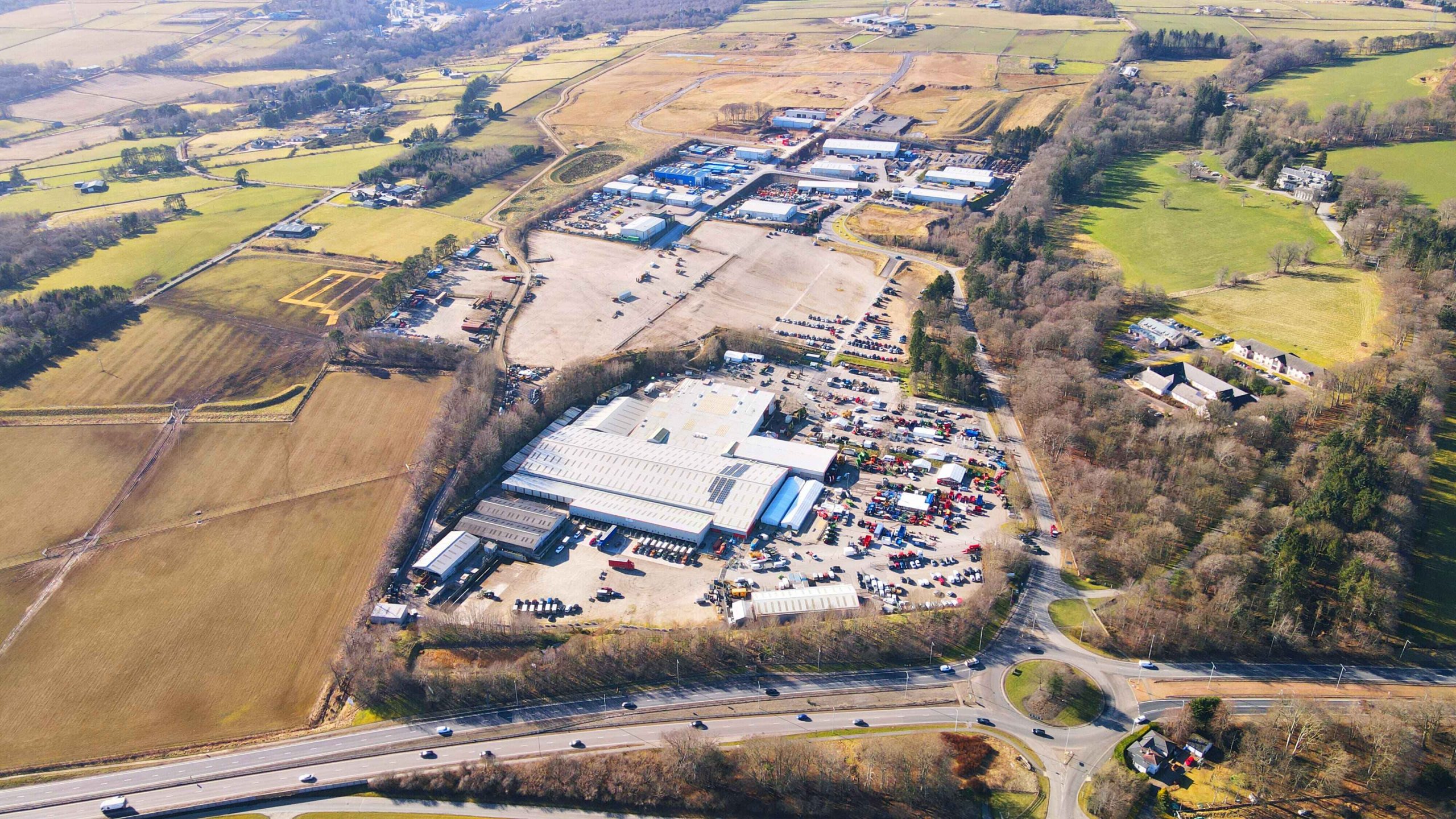
The Royal Northern Spring Show, hosted annually at Thainstone, is widely regarded as the start of the agricultural events calendar. This year, however, it already feels as though we’ve lived through a great deal before the season has properly begun.
The exceptionally wintry conditions in early January served as a timely reminder to the wider public of just how resilient, resourceful and capable our farming community is. Farmers were quick to step in, clearing roads, helping neighbours and keeping rural areas moving. Behind the scenes, though, those same conditions created very real challenges for farm businesses, from livestock welfare and safety through to basic logistics and day-to-day practicality.
From our own perspective, the weather caused a short-term dip in volumes at the start of the year, but that position has now thankfully recovered. Our Friday sales at Thainstone have been particularly busy, with plenty of active buyers travelling from across the country ensuring a competitive trade, resulting in strong values being achieved. In the store cattle ring, values are averaging £2,081, up £305 on the year, while store sheep values, in line with wider industry trends, are back £11 year-on-year to £105.73.
The political backdrop remains a significant concern. While the government’s pre-Christmas reversal (U-turn) on inheritance tax was welcomed, it would be wrong to pretend that confidence hasn’t already been shaken. Decisions taken at pace, without proper understanding of how farming businesses actually operate, have consequences and those consequences are felt long before policy is reconsidered.
That is why we continue to ensure that our members’ voices are heard where decisions are made. For that reason, we have already been involved this year in discussions at Westminster, championing the importance of Scottish livestock production, food security, the economic contribution of rural businesses to the local and national economy, and the challenges we and our members face in our businesses.
As a co-operative auction business, speaking up for our members is not optional – it is fundamental to who we are. We do that by taking the time to have the conversations at the farm gate and in our centres, where the implications of political decisions are tested and felt on a daily basis. Westminster and Edinburgh can seem very far away to some of our buyers and sellers, yet their outputs are felt keenly everywhere – and it’s important that those making the decisions know this and recognise the importance of accountability.
Organisations such as NFUS, QMS, SBA and others play a vital role in keeping agriculture front and centre of public debate, and it is important that we support each other in creating a unified voice for the industry that achieves steady progress.
I believe that this sort of alignment will yield the best results for us all and, together, we can strive to ensure that discussions are grounded not just in theory and policy making but also in the realities of the rural economy and the businesses that are directly (and indirectly) affected. Progress is rarely instant, but steady, well-informed advocacy remains the best way to protect the future of our sector.
As we move further into the year, there is an opportunity for the public goodwill generated during January’s icy blast to translate into greater support for local production. The months ahead will bring their own challenges, but farming has never been about easy conditions. What matters is that decisions, both political and commercial, are grounded in reality, not theory.